
How My TV News Career Prepared Me for Freelance Videography

Jamie Perez • October 26, 2023

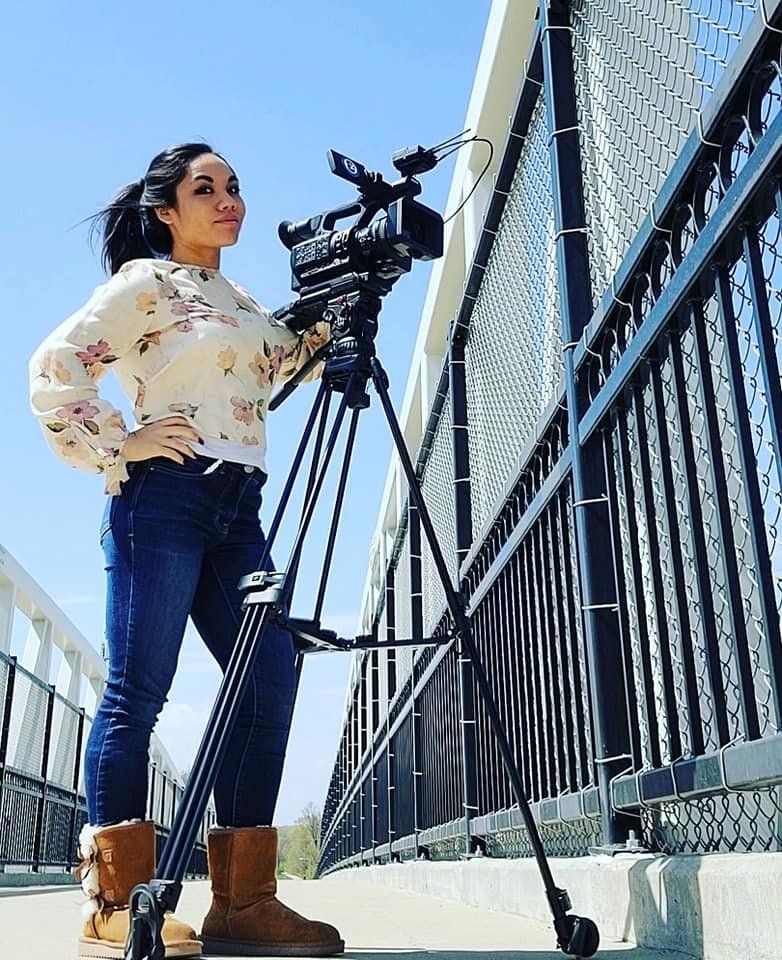
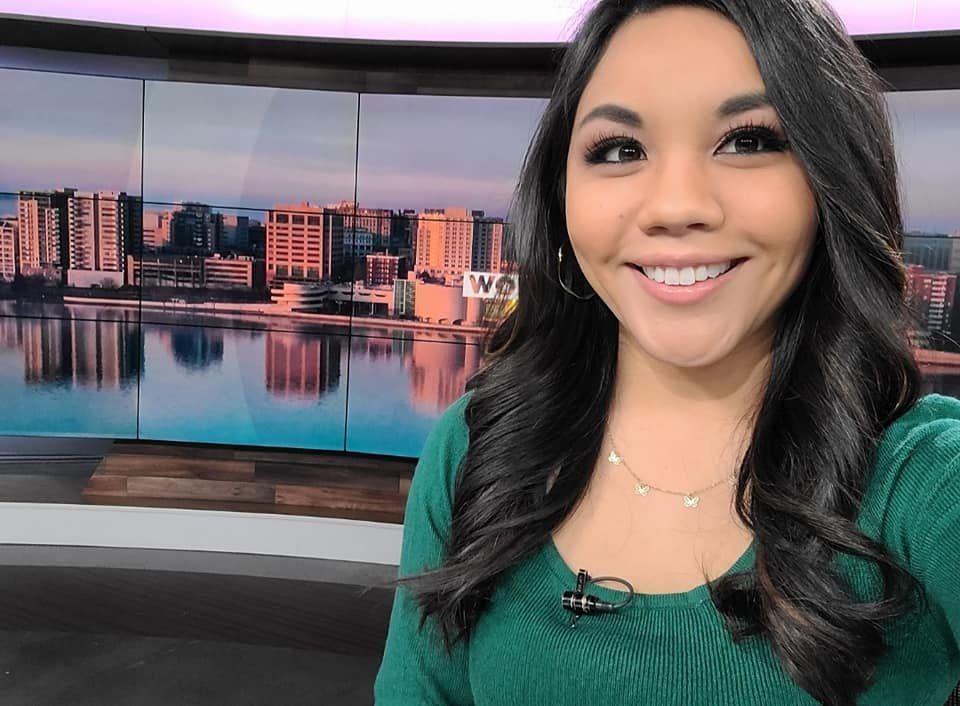
If you don't already know this about me by now, I was a TV news reporter for about 6 years before making the transition to videographer and entrepreneur, running my own storytelling business.


To the rest of the world, I was what you commonly know as a news reporter. In the news world, I'm what's called an MMJ -- or multi-media journalist. That means I did everything from start to finish. That final story you see on TV? That's only a couple minutes of my day.  
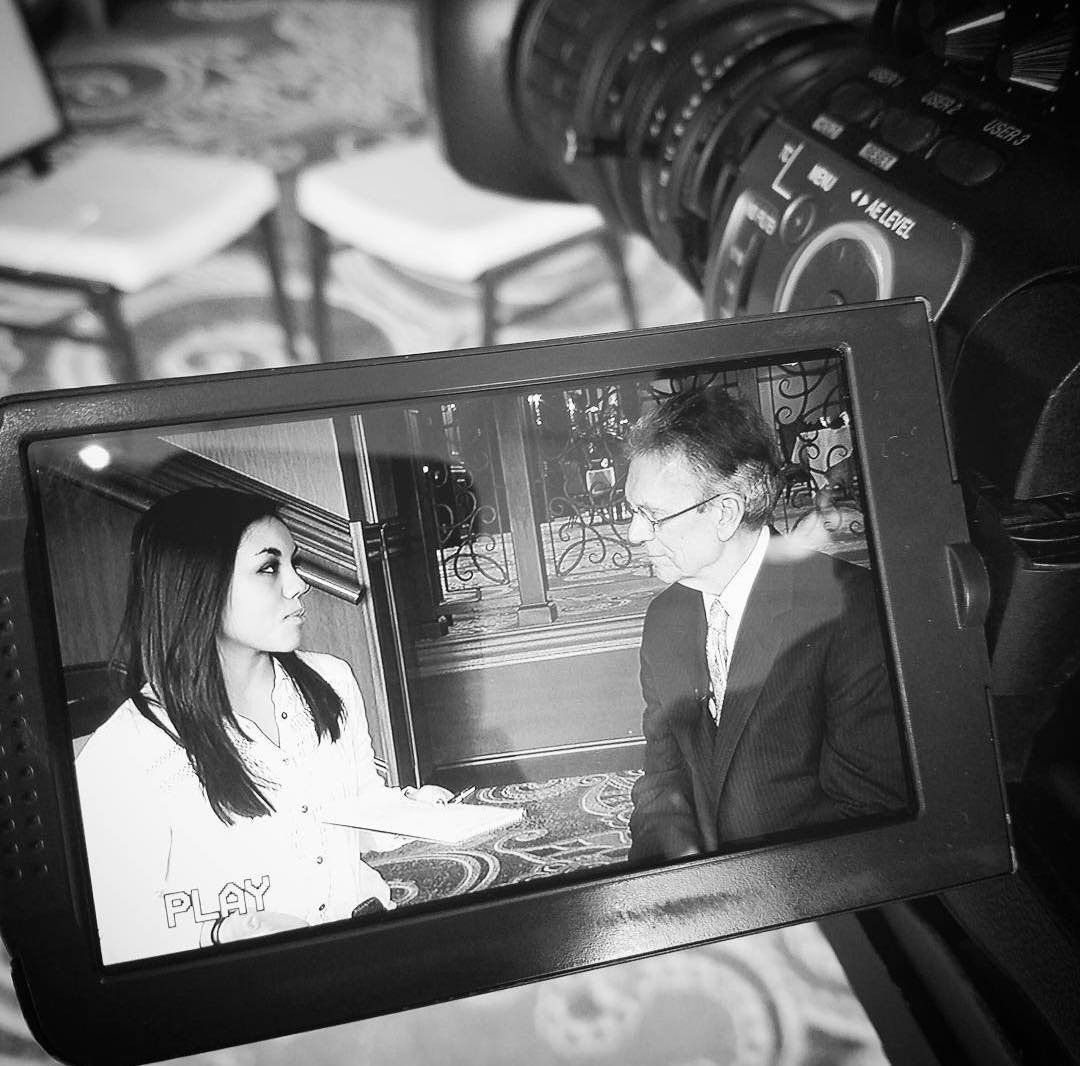
From finding the story ideas, setting up interviews, filming the interviews and footage, editing it all together, presenting it live on TV and then writing up the online article for the website, it was a full 8-12 hour shift.


All on deadline. This same process. Every day.


Being able to be both in front of the camera and behind the camera gave me incredible insight into what it takes to put a story together. Being in full creative control of the soundbites I got, framing each shot, deciding how the story would be pieced together -- all of it made me a better storyteller, interviewer and editor.


ALSO-- because I was doing everything on my own, it prepared me so well for becoming a solopreneur --- but my path is now, in some ways, a little easier because I'm not on anyone else's deadline except for my own.


Being able to do it all in such a short amount of time in news gave me real life experience to be able to do it seamlessly as a solo business owner.
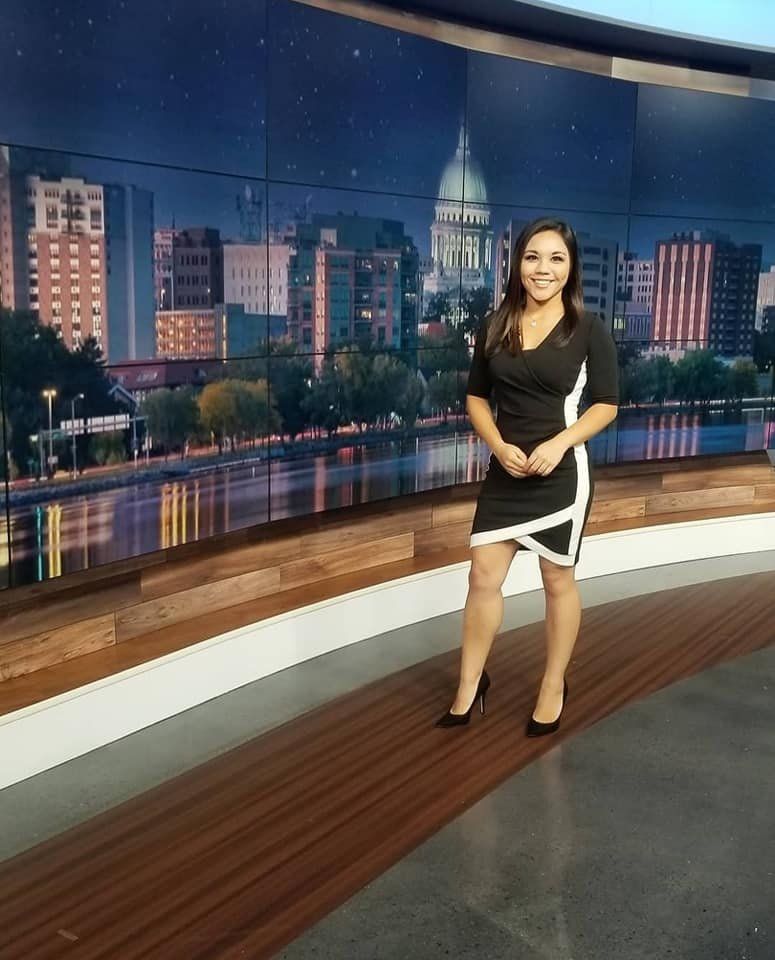
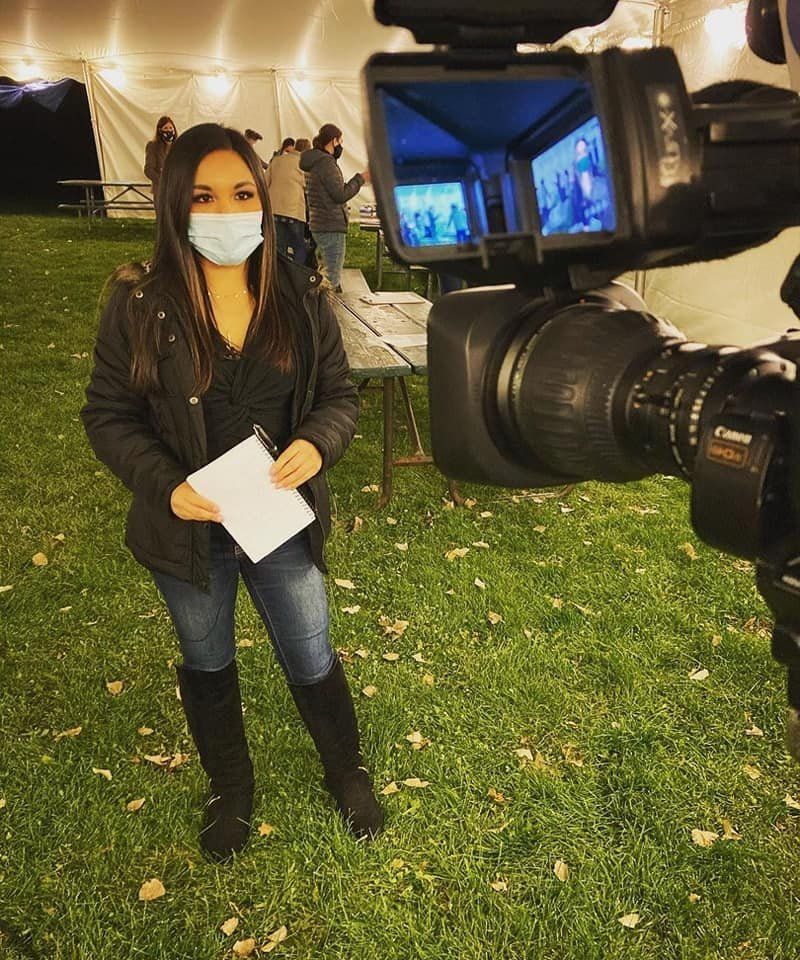
Thinking of all the right questions to ask and knowing how to creatively put a story together gave me a leg up on some other videographers out there who may not have had the experience to do it all as a one-person show.


People ask me do I miss being on TV or do I miss the news. The honest answer?


No.


I never went into TV news because I wanted to be on camera. I did it because I loved the element of storytelling and the platform it provided to make a difference. And I still get to do that now. I may not have the following that a news station might have, but I still get to do what I love and on my own terms.


I very much value the skills and knowledge I was able to absorb in news. And had it not been for my time spent in news, I wouldn't be where I am today. I'm so grateful that I took that path, but I'm even more grateful to be on the path I'm on now.


Put my experience to work for you. Let's talk about your next video project today.

By Jamie Perez May 15, 2026
Discover 5 science‑backed storytelling tips that build trust, spark emotion, and drive action through oxytocin‑based connection.
A person wearing headphones is playing a video game on a computer.
By Jamie Perez September 2, 2025
When it comes to video production, a major part of the art happens during the editing process. A good editor can take bad footage and still make a decent story out of it. But a bad editor cannot take great footage and make a great story out of it. You should be able to be decent at both, but if your footage isn't the greatest, a good edit can still save you. Here are some key elements to thoroughly consider when editing your videos to ensure the final product is as great as it can be: 1) Music selection: Music will drive the narrative and set the tone for whatever emotion you want your audience to feel. The music needs to compliment the video. In many music libraries online you can narrow down the search results by putting in filters like instruments, mood, beats per second, etc. If you have a promo video that you want people to be excited about, for example, use music that is quick paced, has a hard bass, etc. 2) A-roll: These are your interviews, the driving sound that will literally narrate the video. The first ten seconds are super important. That's your hook. It's what captures the audience's attention. Once you start bringing the viewer into the middle of the narrative, stakes are high so it's important to choose soundbites that reveal more layers to the story to keep their attention on the story. One of the biggest challenges editors face is deciding what stays and what goes. When you have so much good sound, it's hard to decide. A bit of advice here is to step away from the project for a day and come back and watch it with fresh eyes and ears. Then decide-- what sound would move me the most if this were my first time watching it? What sound advances the story and does the best job of driving home the message? And then lastly -- how do you want your story to end? Choosing that final soundbite is important because that's the overall feeling that your audience will walk away with. If you are moved by the sounds you choose -- chances are your audience will be too. 3) B-Roll: These are your visuals. Anything that is not an interview shot that helps move the story. It's great to use the phrase "say dog, see dog" when choosing your b-roll. If the soundbite talks about walking on a beach looking at the sunset, choose footage that shows that. One of the other challenging parts during the editing process is you could have an amazing shot of something--- but if the soundbite that talks about that didn't make it into the final cut of the story, then you also have to cut that beautiful shot you were super proud of if it doesn't move the story forward. But this can always be used in a separate standalone cut to promote the video on social media. 4) Practice: All of these things take time to master. Even when you've been at it for years, it's still a continuous learning process because every story is different. Find the moments that move you and the shots that ignite some sort of emotion in you. Cut different versions until you find the right one. Most importantly, have fun with the process! Want to learn more about the art of video production? Let's talk .
A person is holding a video camera in their hand.
By Jamie Perez August 5, 2025
Learn how to direct b-roll with authenticity. These 4 tips help you capture real emotion on camera without staging or losing the human connection.
More Posts