
3 Mistakes to Avoid When Creating a Storytelling Video
Jamie Perez • April 28, 2025
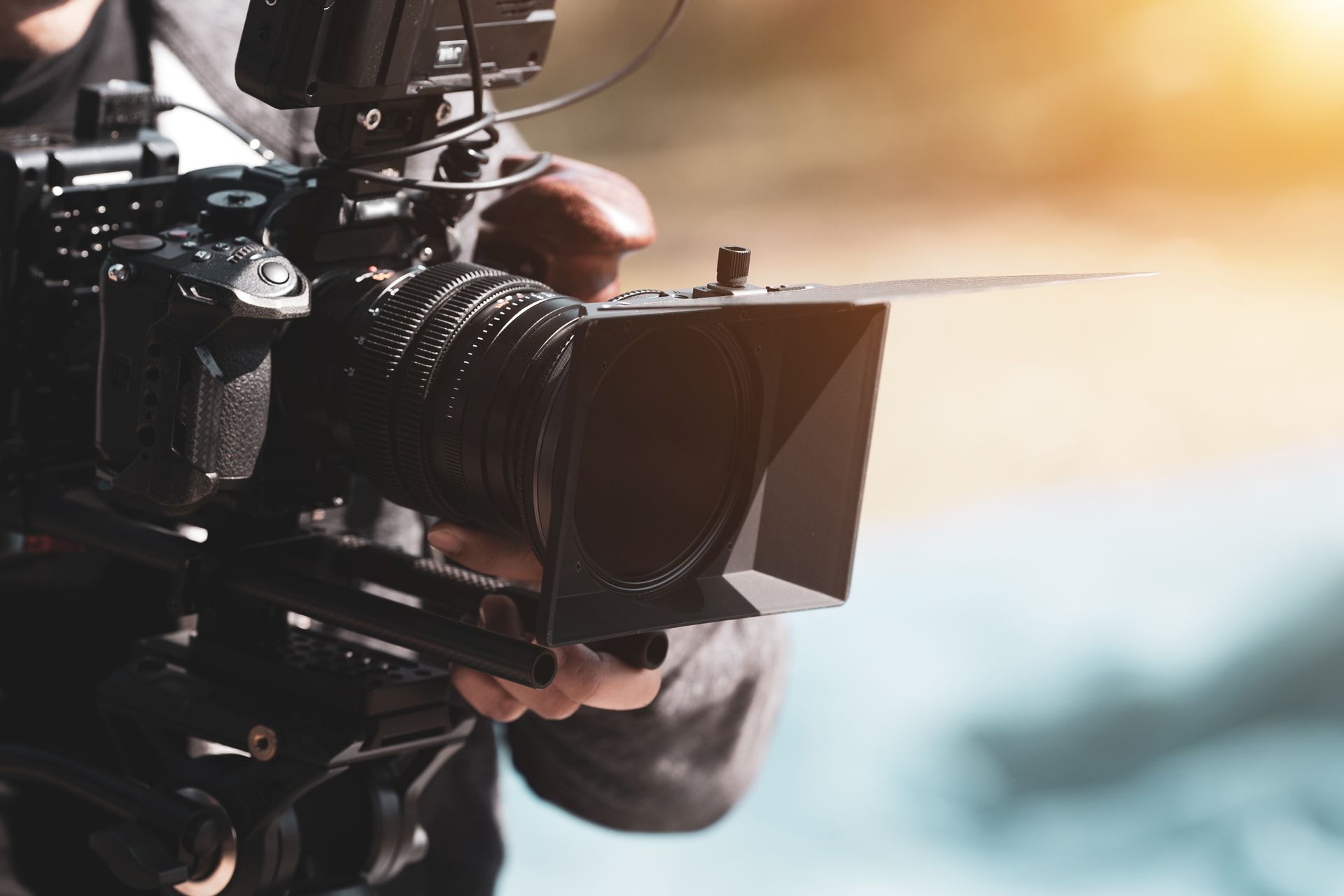
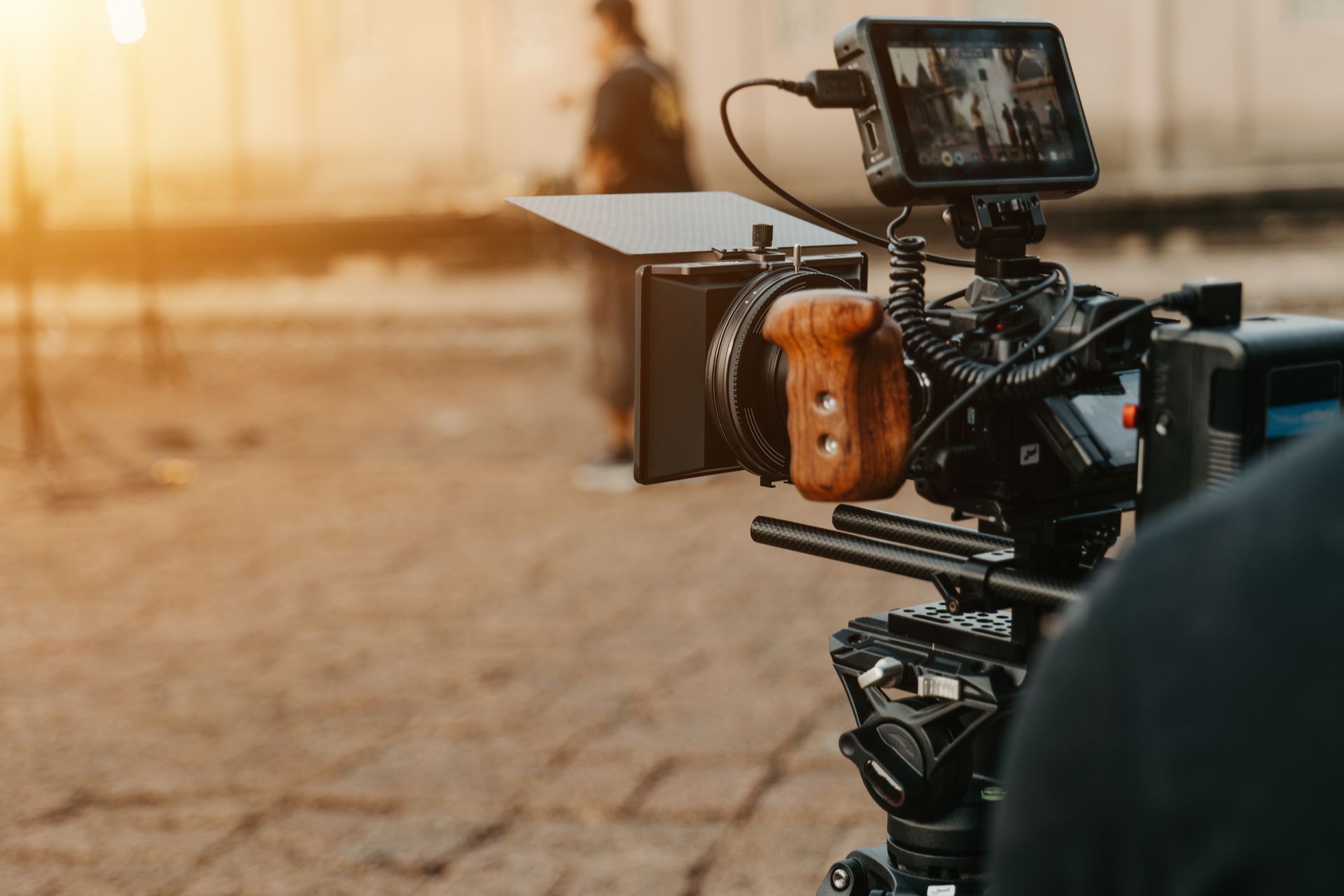
A person is holding a video camera on a tripod.

We see this time and time again... organizations wanting to tell an emotive story through video and then being disappointed that the final product wasn't as heart-tugging as they'd hoped. This mainly happens for three reasons:


1. Controlling the narrative. There are too many cooks in the kitchen. Organizations want to include everyone in the conversation and then there's too many opinions on what should be included in the video, who should be included, what should be shown, etc. This convolutes the message and becomes a jamboree of information and takes away from the natural flow of what the true story should be. 


2. Trying to fit everything into one video. Organizations often don't think about what it truly means to tell a story. It's not talking about all the facts and features of the organizations, the different types of programs, showing the building, etc. We don't need to know everything about you. We KNOW you're doing incredible work, but we can read the facts and figures through the caption or text on your website. What we want to see and feel is the stories and emotions that accompany what you do. Which brings us to the next point...


3. Focusing on the features rather than the people. While it's great to inform people of the logistics of your organization -- those things are often not unique and they don't really retain people's attention. What does accomplish these two things, however, is gripping people by the heartstrings by focusing on one or two people's stories to show the audience the impact you make. It's not about telling me all the generalities of your organization. We really need to hyperfocus on ONE story that embodies the difference you make in people's lives. 


Remember what a story truly is. It has characters, it follows a journey, it presents a problem, a solution, has layers, and evokes emotion. If your videos are mostly just a summary of what you do as an organization, then you haven't really told a story. You've told me WHAT your organization does. The true heartfelt stories are always found in the WHY.


Let Beyond Words Productions help you find your WHY. Let's talk today.


By Jamie Perez May 15, 2026
Discover 5 science‑backed storytelling tips that build trust, spark emotion, and drive action through oxytocin‑based connection.
A person wearing headphones is playing a video game on a computer.
By Jamie Perez September 2, 2025
When it comes to video production, a major part of the art happens during the editing process. A good editor can take bad footage and still make a decent story out of it. But a bad editor cannot take great footage and make a great story out of it. You should be able to be decent at both, but if your footage isn't the greatest, a good edit can still save you. Here are some key elements to thoroughly consider when editing your videos to ensure the final product is as great as it can be: 1) Music selection: Music will drive the narrative and set the tone for whatever emotion you want your audience to feel. The music needs to compliment the video. In many music libraries online you can narrow down the search results by putting in filters like instruments, mood, beats per second, etc. If you have a promo video that you want people to be excited about, for example, use music that is quick paced, has a hard bass, etc. 2) A-roll: These are your interviews, the driving sound that will literally narrate the video. The first ten seconds are super important. That's your hook. It's what captures the audience's attention. Once you start bringing the viewer into the middle of the narrative, stakes are high so it's important to choose soundbites that reveal more layers to the story to keep their attention on the story. One of the biggest challenges editors face is deciding what stays and what goes. When you have so much good sound, it's hard to decide. A bit of advice here is to step away from the project for a day and come back and watch it with fresh eyes and ears. Then decide-- what sound would move me the most if this were my first time watching it? What sound advances the story and does the best job of driving home the message? And then lastly -- how do you want your story to end? Choosing that final soundbite is important because that's the overall feeling that your audience will walk away with. If you are moved by the sounds you choose -- chances are your audience will be too. 3) B-Roll: These are your visuals. Anything that is not an interview shot that helps move the story. It's great to use the phrase "say dog, see dog" when choosing your b-roll. If the soundbite talks about walking on a beach looking at the sunset, choose footage that shows that. One of the other challenging parts during the editing process is you could have an amazing shot of something--- but if the soundbite that talks about that didn't make it into the final cut of the story, then you also have to cut that beautiful shot you were super proud of if it doesn't move the story forward. But this can always be used in a separate standalone cut to promote the video on social media. 4) Practice: All of these things take time to master. Even when you've been at it for years, it's still a continuous learning process because every story is different. Find the moments that move you and the shots that ignite some sort of emotion in you. Cut different versions until you find the right one. Most importantly, have fun with the process! Want to learn more about the art of video production? Let's talk .
A person is holding a video camera in their hand.
By Jamie Perez August 5, 2025
Learn how to direct b-roll with authenticity. These 4 tips help you capture real emotion on camera without staging or losing the human connection.
More Posts